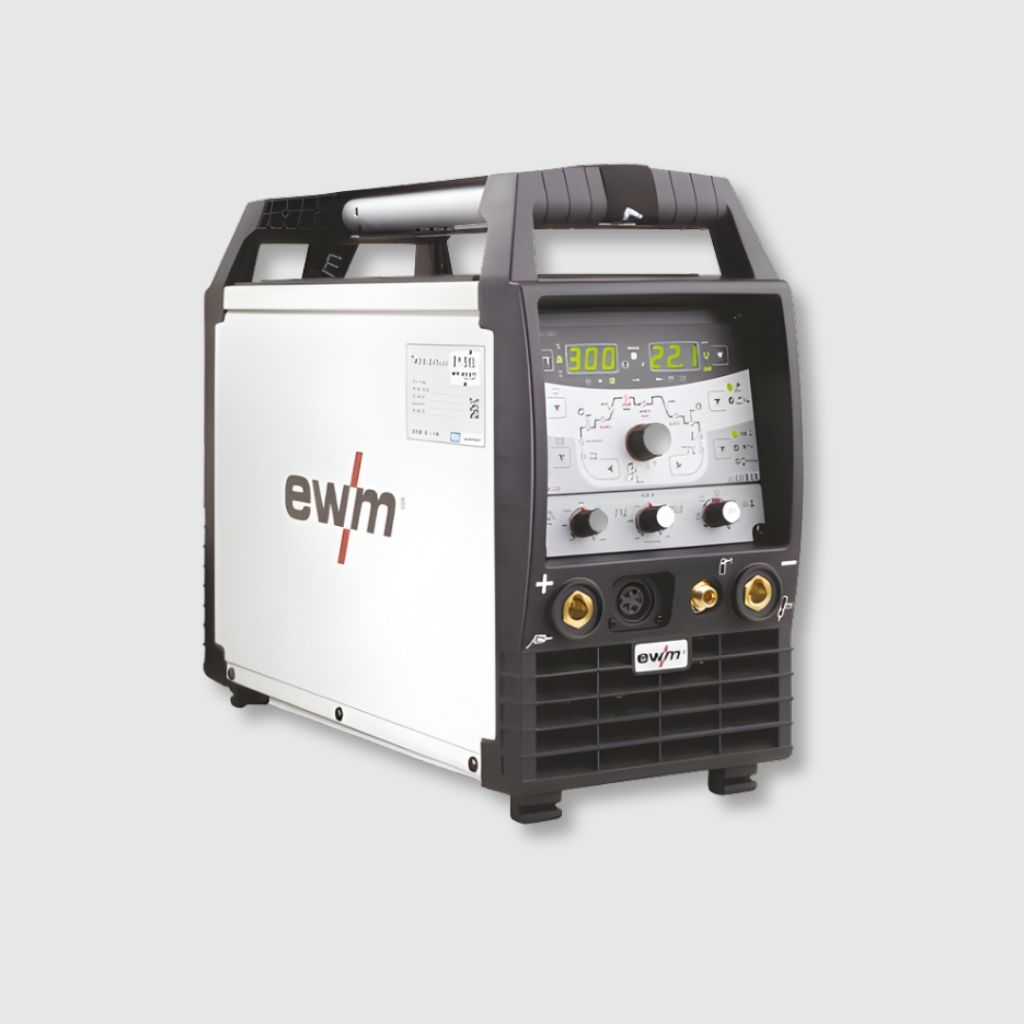
Argon Welding Machine
An argon welding machine refers to equipment designed to provide current control and arc stability in precision metal joining processes. Inverter-based power units contribute to stable current flow and adapt to different material thicknesses. The system structure operating with a tungsten electrode supports controlled progression along the weld seam.
The ability to work with low heat input on thin-section metals helps reduce deformation risk. Gas control components maintain a constant flow rate, preserving weld pool continuity. Torch ergonomics and cable layout are designed not to restrict operator movement. Digital displays make it easier to monitor current and gas settings.
Cooling systems contribute to maintaining equipment performance during long-term operation. Proper implementation of safety measures during use is important for equipment lifespan and workplace order.
Key points considered during argon welding machine selection and use can be listed as follows:
- Current stability of the inverter power unit
- Tungsten electrode compatibility and torch structure
- Precise control of gas flow settings
- Type and capacity of the cooling system
- Digital control panel and monitoring options
Thanks to controlled current management and a stable arc structure, the argon welding machine ensures technical continuity in welding processes that require precision production.
Argon Welding Machine Prices
Argon welding machine prices vary depending on the technical capacity of the equipment, its intended use, and the control options it offers. Inverter infrastructure, current range, and cooling system type are among the factors that directly affect price levels.
Machines designed for industrial use are positioned in a different cost range since they include components suitable for long-term operation. Portable systems, on the other hand, address different needs with their more compact structures.
The thickness and type of the material being welded are among the main criteria in determining the required machine power. Features such as digital control panels, pulse current, and gas pre-flow settings play a decisive role in pricing.
Argon welding offers a more flexible usage area with machines compatible with different welding methods. Hardware quality, production tolerances, and service infrastructure are also included in the evaluation process. When comparing prices, not only the initial cost but also long-term usage requirements should be taken into account.
The main factors affecting argon welding machine prices can be listed as follows:
- Current capacity and inverter technology
- Air- or water-cooled system preferences
- Digital control and adjustment precision
- Industrial or workshop-type usage purpose
- Service, spare parts, and technical support availability
When technical equipment and usage requirements are evaluated together, the cost of an argon welding machine enables the selection of a system that meets specific needs.
For general information about equipment, system selection, and technical solutions related to argon welding, you can contact Eko Kaynak.