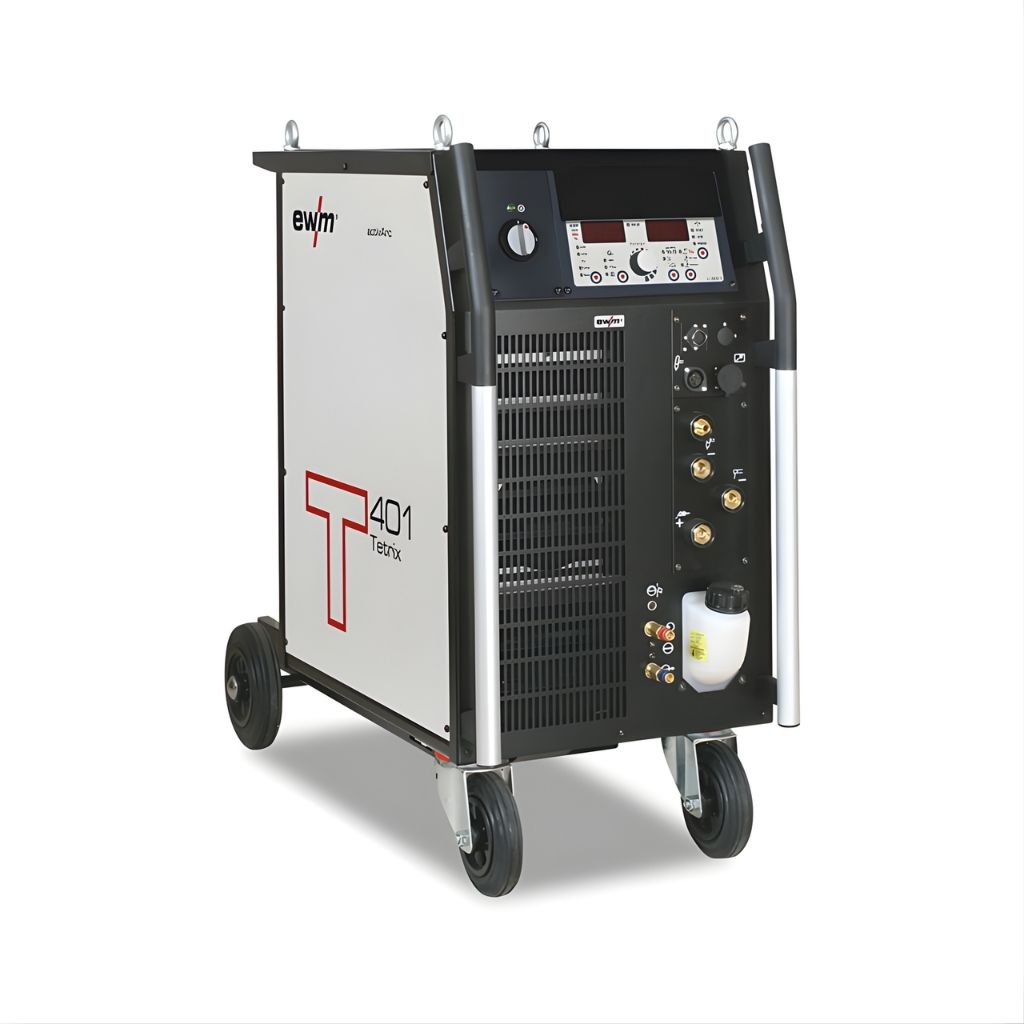
Thanks to technical control precision, energy efficiency, and usage flexibility, inverter-based systems offer a balanced and sustainable solution approach in modern welding processes.
Second-Hand Inverter Welding Machine
Users aiming to balance equipment costs in production and workshop processes may prefer to turn to second-hand options. Since inverter-based systems can provide long-term performance due to their electronic structure, they can be an efficient alternative when usage history is properly evaluated.
The device’s operating hours, maintenance history, and condition of electronic components are among the primary factors to consider during the selection process. Preserving technical specifications plays a decisive role in maintaining welding quality continuity.
Second-hand inverter welding options available on the market may be offered in different power ranges and usage capacities. During the purchasing phase, it should be examined which applications the device was previously used for, whether it operated under excessive load, and whether there was any intervention in the electronic board structure. Current stability, arc ignition response, and the condition of the fan cooling system are among the key criteria in performance evaluation.
Systems that have been used under appropriate conditions and maintained regularly can provide a reliable operating experience in the long term. This approach is important for users who prioritize balancing cost advantages with technical adequacy.
Key points highlighted during the second-hand product evaluation process include:
- Overall condition of electronic boards and connection points
- Stable operation of current adjustment settings
- Functionality of fan and cooling systems
- Absence of impact or deformation in the body structure
- Availability of technical information regarding previous usage conditions
Ensuring appropriate technical checks contributes to the safe and efficient use of second-hand inverter systems.
How Does an Inverter Welding Machine Work?
Stable and controlled current management in welding systems is among the fundamental factors that directly affect weld seam quality. Inverter-based technologies process electrical energy by converting it through electronic circuits, unlike conventional transformer-based structures.
The alternating current received from the grid is first rectified and converted into high-frequency signals. Increasing the frequency enables more precise control with smaller components. Limiting heat losses constitutes an important advantage that supports energy efficiency.
Through the electronic control unit, an inverter welding machine can regulate current and voltage values instantaneously during welding. This structure enables balanced arc formation across different metal types and thicknesses. The high-frequency operating principle helps initiate the arc more quickly and maintain its stability.
The cooling system balances the operating temperature of electronic components, ensuring performance continuity during prolonged use. The digital control infrastructure reduces operator intervention and contributes to achieving repeatable results.
The operating process of inverter-based systems can be explained through the following technical stages:
- Rectification of the alternating current from the grid
- Conversion of direct current into high-frequency signals
- Control of current and voltage values through electronic circuits
- Stable formation and maintenance of the arc
- Balancing component temperature via the cooling system
This operating principle establishes a structure that delivers precision and energy savings together in welding processes.
For technical information about inverter-based systems and automation solutions in welding processes, you can contact Eko Kaynak.