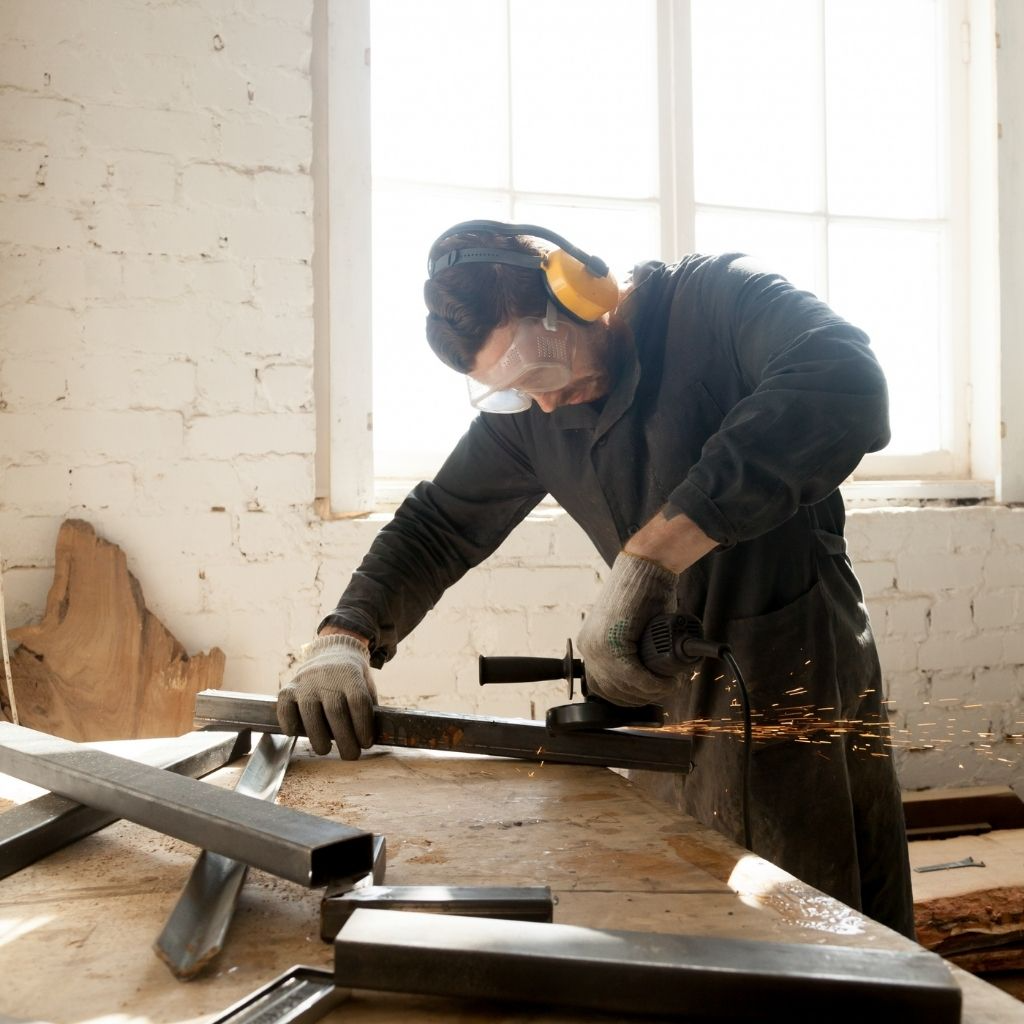
It is an industrial production approach based on the permanent joining of metal and alloyed parts by means of heat, pressure, or filler metal. It is preferred in applications requiring strength, leak tightness, and structural integrity.
It plays a critical role in the construction of structures used in the energy, automotive, heavy industry, and machinery sectors. Method selection is carried out by considering part geometry, material type, wall thickness, and intended use. With proper planning, deformation risk is reduced, mechanical strength is increased, and long-lasting joints are obtained.
The fundamental stages of the process are as follows:
- During the design phase, engineering calculations are performed to define welded manufacturing processes, and each stage progresses in a planned manner.
- Material analysis, parameter selection, and operator competence ensure that production proceeds safely. Regular quality control practices prevent defective joints.
- Heat input, penetration depth, and bead form are continuously monitored to verify compliance with standards.
- Mechanical tests and visual inspections ensure that strength criteria are met and suitability for service conditions is confirmed.
- All stages constitute a disciplined production process carried out in an integrated manner, aiming for sustainable performance.
Properly planned and technically compliant applications provide high strength, dimensional consistency, and operational safety. In an industrial competitive environment, it holds a strategic position in terms of efficiency, cost optimization, and long-term performance.
Welded Manufacturing Standards
Ensuring sustainable quality and safety in industrial joining applications requires compliance with national and international norms. Technical requirements progressing from the design phase to final inspection include material selection, personnel qualification, equipment calibration, and test procedures.
Production in compliance with standards supports the preservation of structural strength in load-bearing systems, ensures leak tightness in pressure vessels, and promotes long service life in heavy industry applications. A planned and disciplined approach reduces the risk of defective joints while increasing traceability in projects.
The main control headings of the process are as follows:
- At the beginning of the project, technical documentation is prepared and application procedures are clarified. Process steps are determined by considering potential heat input and deformation risks during welding.
- Operator certification and procedure qualification tests verify personnel competence and prevent non-standard applications.
- Material certificates and traceability records are maintained regularly; the compliance of each joint with technical requirements is recorded.
- Quality verification is performed through non-destructive testing methods, visual inspections, and mechanical tests, and nonconformities are systematically reported.
- Performance analyses are conducted in line with the principle of continuous improvement, production parameters are optimized, and a sustainable quality level is maintained.
In projects carried out in compliance with standards, safety factors are preserved, operational risks are minimized, and industrial competitiveness increases. Systematic supervision and technical discipline form the foundation of high-performance joint applications.