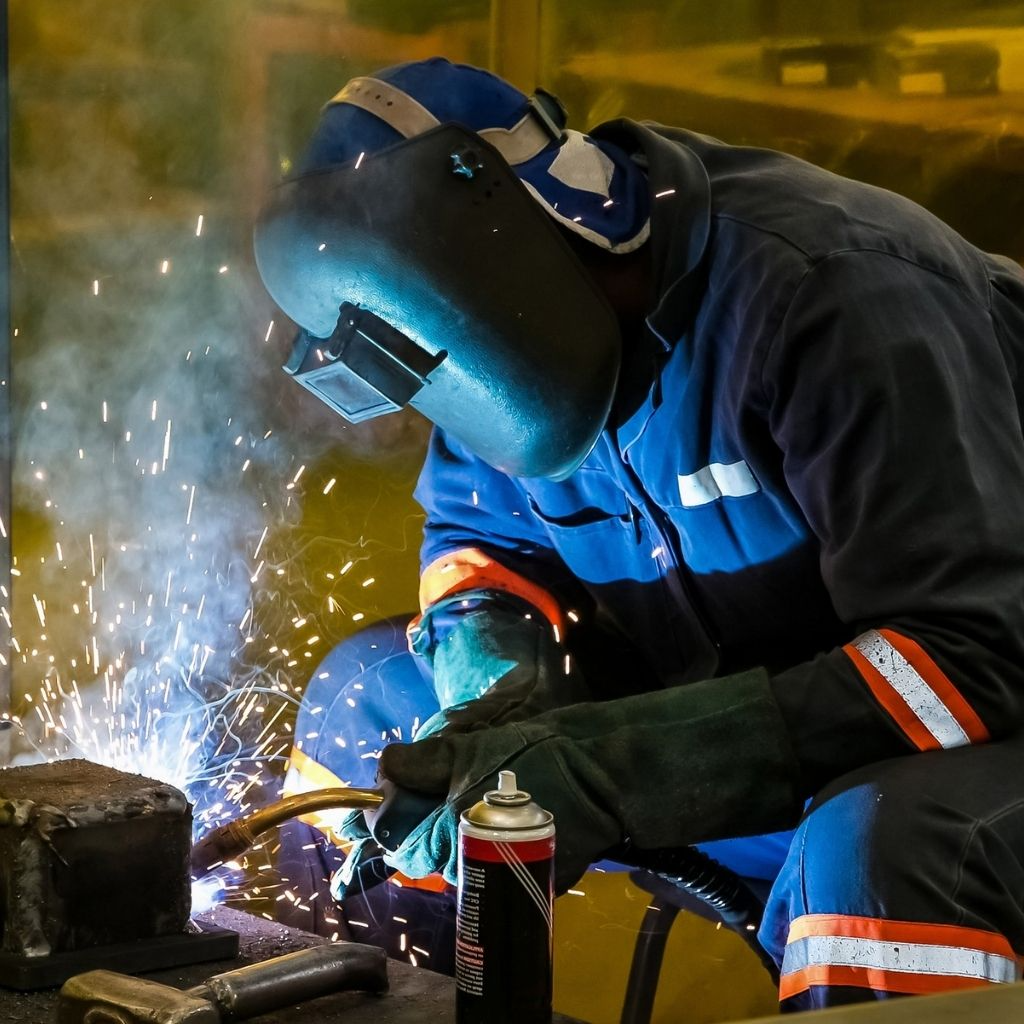
What is a Welding Machine Generator?
In field-based production, the uninterrupted progress of welding operations depends on managing energy generation and welding current through a single system. A structure that produces electricity via engine power and transfers this energy directly to welding equipment is defined as a welding machine generator.
Operating independently of an external power connection, this system allows operations to continue smoothly in field-based projects. A balanced current characteristic maintains arc stability and contributes to consistent weld bead progression. Since the power output can be adjusted according to electrode and process type, adaptation to different applications is possible.
The technical structure and areas of use of welding machine generators are as follows:
- A compact structure is formed by combining the engine, alternator, and welding unit in a single body.
- It provides a suitable solution for construction sites, pipelines, maintenance and repair, and outdoor works.
- The portable design facilitates transitions between different production points.
- Welding quality is supported by keeping current fluctuations under control.
- Fuel type and power capacity options can be determined according to project requirements.
- Thermal balance and performance continuity are maintained during long-term operation.
During the industrial planning phase, accurate capacity analysis directly affects system efficiency. In this context, welding generators are positioned as reliable power sources in environments with limited energy infrastructure. With proper configuration, equipment lifespan is preserved, field operations proceed in an organized manner, and production flow gains a sustainable structure.
What Does a Welding Generator Do?
In welding operations carried out under field conditions, energy continuity directly affects the performance of the welding machine. In temporary areas or locations where the energy infrastructure is incomplete, this generator provides the necessary electrical power to the welding machine via the engine.
The balanced structure of the generated current contributes to maintaining arc stability and controlled progression of the weld bead. In projects requiring mobile production, the coordinated operation of the power source and welding equipment is among the key factors that increase field efficiency.
The functions offered by the structure integrated with the welding machine are as follows:
- Enables the operation of the welding machine without the need for electrical infrastructure.
- Supports arc continuity by limiting current fluctuations.
- Provides operational flexibility in outdoor, construction site, and maintenance and repair works.
- Easily adapts to different work points thanks to its portable structure.
- Offers power options that support electrode and welding process compatibility.
- Contributes to maintaining performance continuity during long-term operation.
The generator welding machine, in which energy production and the welding unit operate together, is considered a practical solution that reduces setup time in field applications. Since the electricity generated by engine power is transferred directly to the welding machine, there is no need for external power equipment.
Systems selected with correct capacity planning support the preservation of welding quality and the planned progression of the production process. This structure establishes a reliable working order in mobile welding applications.
In Which Situations is a Welding Generator Used?
Ensuring that welding operations can be sustained in every environment during production and assembly processes requires different solutions depending on access to energy. In work areas where grid connection is unavailable or unstable, the welding generator enables operations to progress as planned.
In projects requiring mobility, the harmonious progress of power generation and the welding process is considered a significant advantage that reduces time loss. Maintaining welding quality despite variable environmental factors in field conditions is among the reasons these systems are preferred.
The areas of use and situations in which welding generators are employed are as follows:
- In open areas and land works where access to grid electricity is not available
- In temporary production and assembly applications at construction sites
- In mobile welding needs for pipeline, infrastructure, and energy projects
- In maintenance and repair activities where fixed power infrastructure is insufficient
- In shipyards, steel construction, and heavy industry works requiring relocation
- In production or repair processes requiring emergency intervention
In these situations, the synchronized operation of energy production and the welding machine facilitates field organization. A stable power output contributes to maintaining arc performance and consistent weld bead progression.
When capacity selection is made in line with project requirements, equipment efficiency is supported and operation duration becomes more predictable. This approach establishes a planned and sustainable working order in field-type welding applications across different sectors.
For technical details about welding generator solutions and to evaluate systems suitable for your project requirements, you may contact Eko Kaynak expertise.