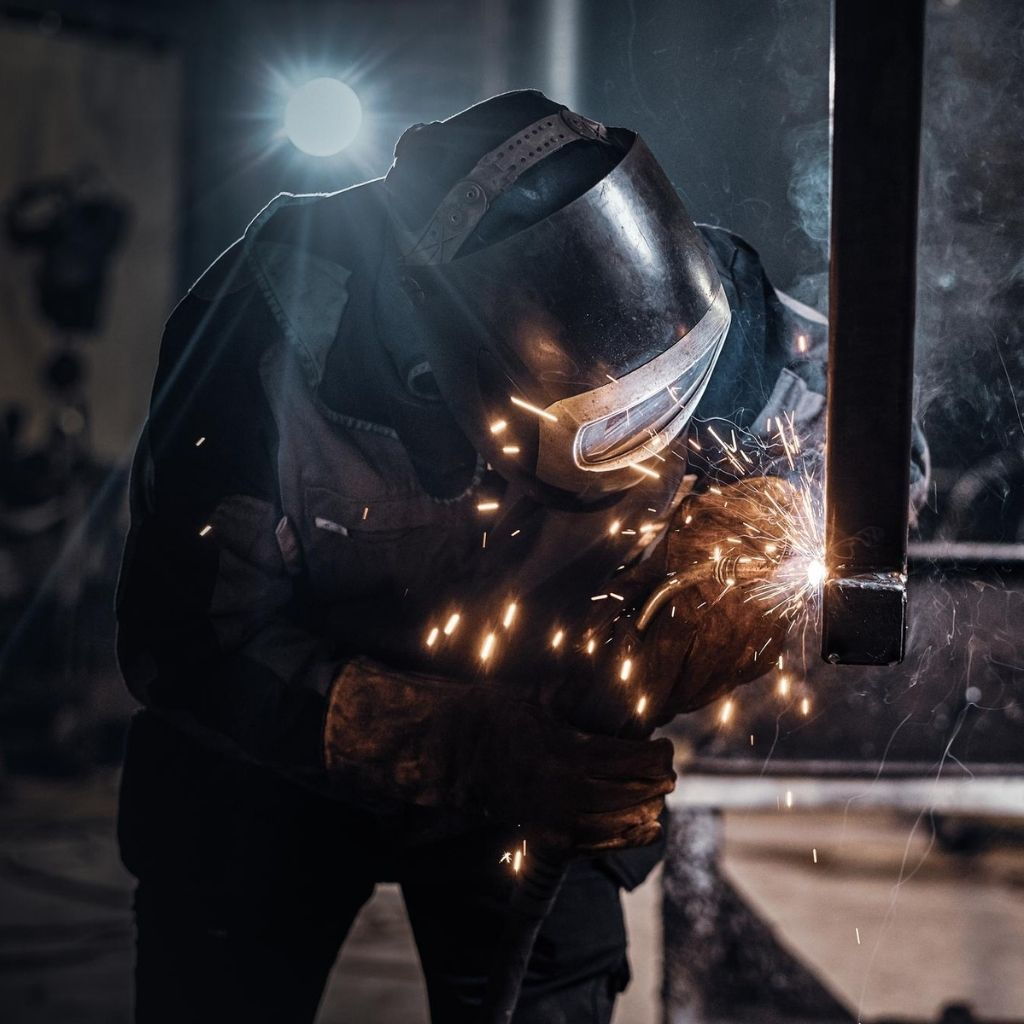
This is custom heading element

Welding types refer to different welding methods that enable the permanent joining of metal or alloy parts. The methods used in production and manufacturing processes allow material surfaces to be joined with the help of heat, electric arc, or high-energy beams.

Welding types can be applied using different techniques according to production needs and have a wide range of applications across various industries. Electric arc welding, MIG/MAG welding, TIG argon welding, and laser-based applications make it possible to join metals of different thicknesses. Automation systems and robotic welding equipment used in industrial production are among the solutions that contribute to precision and continuity in manufacturing processes.

What are the Types of Welding?

Different methods are used in manufacturing processes to permanently join metal parts. The selected method is determined according to material type, thickness, strength expectations, and production scale. Techniques used in industrial production create a joint line with the help of heat, electric arc, or high-energy beams.

Joining methods are preferred in production to obtain durability, continuity, and secure connections. When an appropriate technique is not selected, deformation, porosity formation, or weak joints may occur. Material properties, production volume, and workpiece geometry play an important role in determining the correct method. The main methods used in industrial production operate according to different working principles.

The main techniques preferred in manufacturing processes include:

  • Electric arc welding: High temperatures generated by electrical energy melt metal surfaces and create a joint line. It is widely preferred in steel construction and heavy industry production.
  • MIG/MAG welding: A method performed in a protective gas environment and operating with a continuous wire feeding system. It provides stable and fast joining in mass production lines.
  • TIG (argon) welding: A method using a tungsten electrode. It provides high surface quality when joining thin metal parts and stainless steel.
  • Laser welding: A narrow and controlled joint line is created using a high-intensity energy beam. It is preferred in precision manufacturing processes.

The selection of the welding method in industrial production represents a critical stage in terms of production efficiency and component durability. When the appropriate method is chosen, production continuity increases, error rates decrease, and joint reliability can be maintained for a long time.

Electric Arc Welding

Among the joining methods used in industrial production, high temperatures generated by electrical energy play a significant role. The heat produced by the electric arc melts metal surfaces and creates a strong joint line. This method is preferred to achieve durable connections in manufacturing processes.

Electric arc welding is one of the most widely used methods among welding types. The arc formed between the electrode and the electric current causes metal surfaces to melt in a controlled manner and form a joint line. When the molten metal cools, a permanent connection is formed between the two parts.

This method is frequently used in steel construction manufacturing, machinery production, pipeline systems, and heavy industry production lines. Proper electrode selection, current adjustment, and surface preparation are considered determining factors in the strength of the joint line.

MIG/MAG Welding

Welding methods using protective gas enable stable and controlled joints in production processes. The MIG/MAG method, performed with a wire electrode, is one of the modern welding applications used in mass production lines.

MIG and MAG methods are based on a joining process that progresses with a consumable wire electrode under gas protection. While the continuous wire feeding system increases production speed, it also contributes to the formation of a more consistent joint line. For detailed information about the working principle and application areas of the method, you can review the MIG/MAG Welding content.

This method is widely used in automotive manufacturing, metal construction production, steel equipment manufacturing, and mass production lines. When used together with automation systems and robotic applications, production efficiency and process repeatability can increase significantly.

TIG (Argon) Welding

Methods using tungsten electrodes are preferred in metal joining processes that require high precision. The TIG method, performed under argon gas protection, creates a clean and smooth joint surface thanks to the controlled molten pool.

Kaynak Çeşitleri

The TIG method is based on the melting of metal surfaces through the arc created by a tungsten electrode. The protective gas environment reduces the risk of oxidation and contributes to the formation of a more stable joint line. For more comprehensive information about the application process and technical details, you can review the Argon Welding article.

This method, used for joining stainless steel, aluminum, and thin metal parts, is preferred in pipe manufacturing, precision equipment production, and production lines requiring high quality standards. Low spatter rate and a controlled melting process are among the prominent features of the method.

Laser Welding

Laser-based methods performed with high-intensity energy beams are among modern manufacturing technologies. Thanks to the focused energy beam, a precise and deep joint line can be created on metal surfaces.

The laser welding method is based on joining two parts through localized melting created by an intense energy beam on the metal surface. Thanks to its narrow impact area, the risk of deformation decreases and the joint line is formed in a highly controlled manner.

This method is preferred in electronics manufacturing, the automotive industry, precision machinery production, and applications where thin metal parts need to be joined. When integrated with automation systems, it can provide significant advantages in terms of speed, precision, and repeatability in production processes.

Where are Welding Types Used?

The permanent joining of metal parts is achieved through different techniques in production and manufacturing processes. The method used is determined according to the material type, part thickness, and production scale. In industrial production, different welding types are among the fundamental applications that ensure production continuity across many sectors.

Selecting the correct method in industrial production lines represents an important stage in terms of connection strength and production efficiency. When an appropriate technique is not chosen, deformation, porosity formation, or weakness in the joint line may occur.

Eko Kaynak, operating in the field of production technologies, develops application solutions for various sectors with automation systems and welding equipment designed for different production needs.

The methods used in industrial production are applied in the following areas across different sectors:

  • Steel construction and heavy industry production: Electric arc welding is preferred for joining large-scale metal structures. It provides durable connections in the production of bridges, towers, tanks, and machine bodies.
  • Mass production and automotive industry: MIG/MAG welding used in automation lines contributes to maintaining production speed thanks to its continuous wire feeding system.
  • Stainless steel and precision part production: Argon welding applications are preferred when joining thin metal parts. The stable arc structure helps maintain surface quality.
  • Pipeline systems and precision equipment manufacturing: Thanks to the controlled molten pool, the TIG welding method is widely used in pipe systems and industrial equipment production.
  • High-precision manufacturing: Laser welding, which creates a narrow and controlled joint line, is among the modern applications preferred in electronics, automotive, and thin metal manufacturing.

The correct selection of the welding method plays a decisive role in terms of quality, durability, and efficiency in production processes. When the right technology is used, error rates decrease in production lines, connection reliability is maintained for a long time, and production continuity becomes more stable.

For more comprehensive information about welding types and to review solutions suitable for your production needs, you can contact Eko Kaynak.