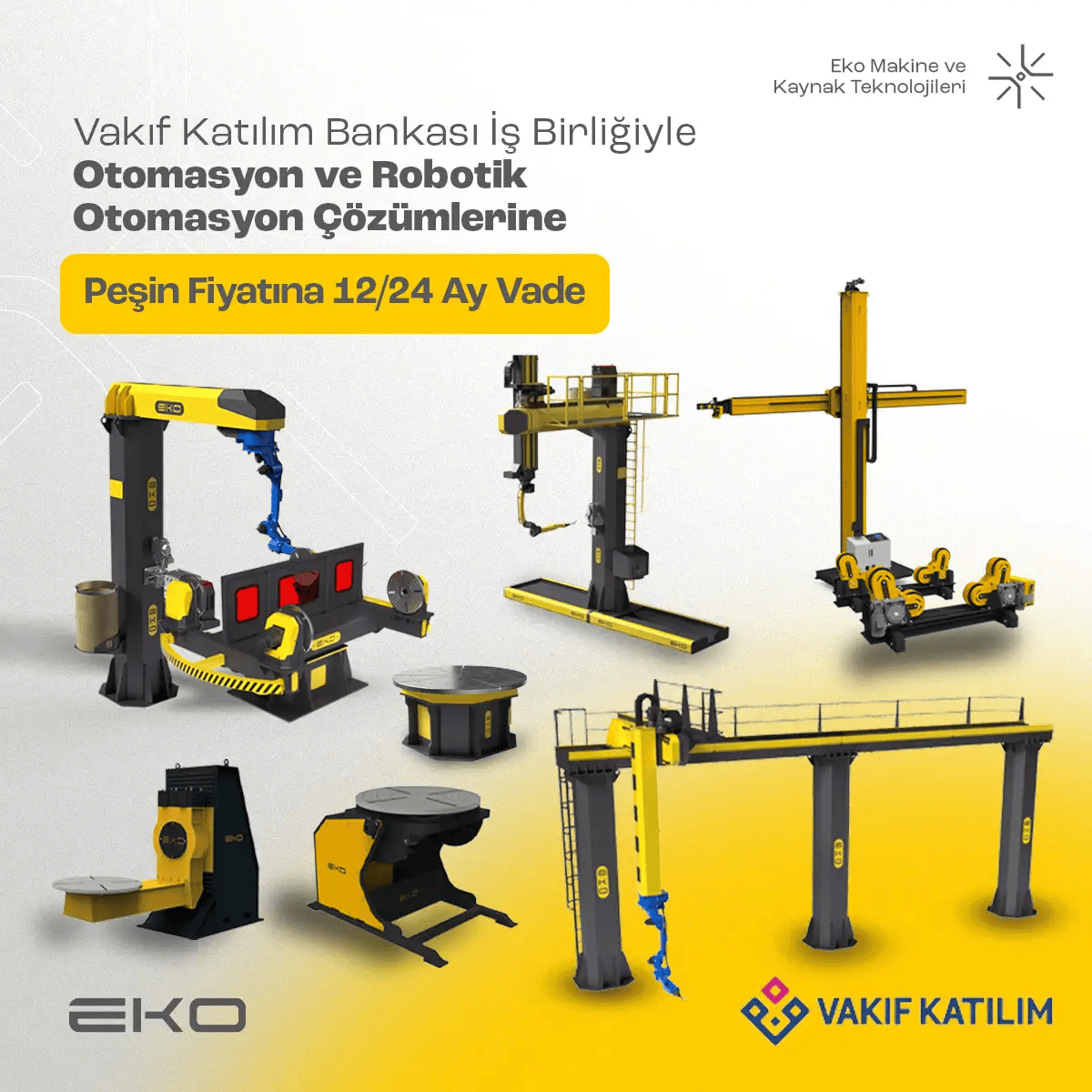
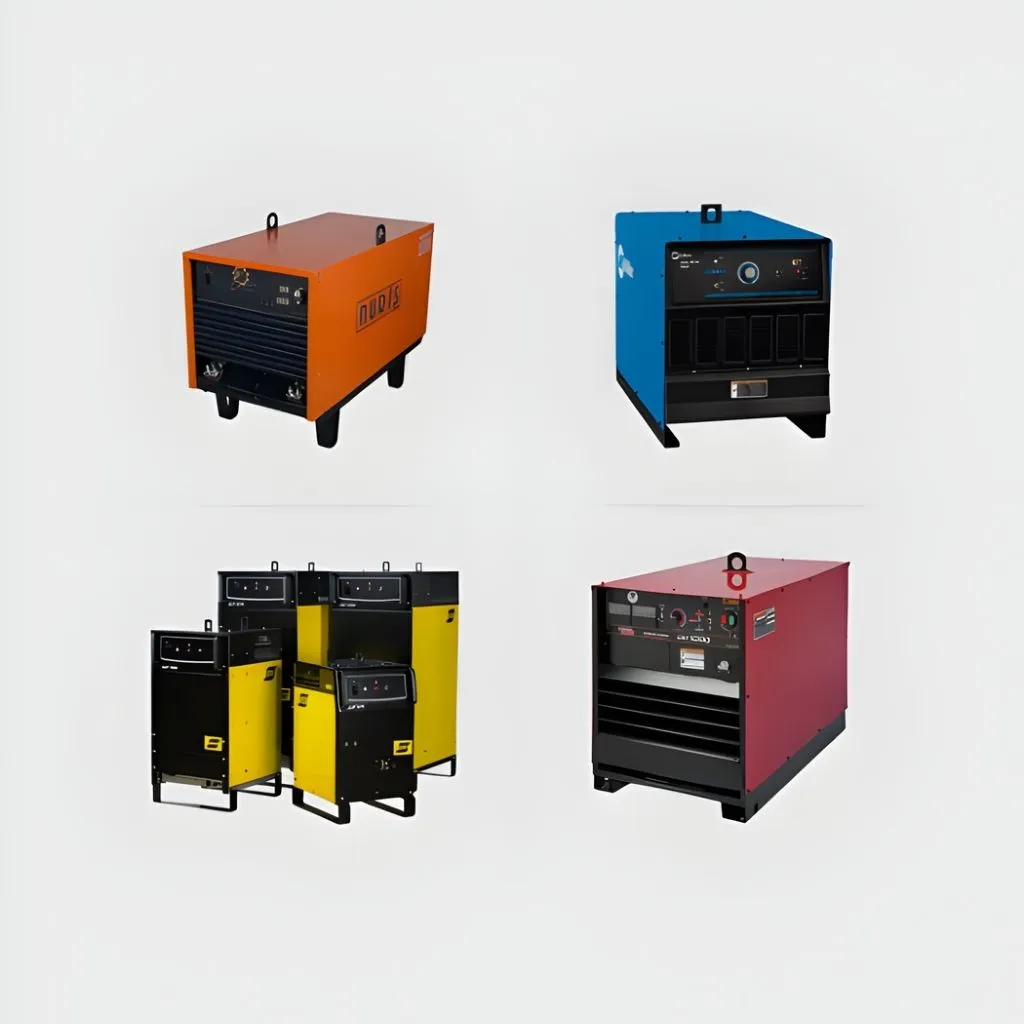
Different metal joining needs lead to the diversification of the systems used. In a wide range of application areas extending from workshop environments to industrial production, there are machines preferred according to the nature of each task.
This diversity arises not only from differences in power or size but also from intended use and practical expectations. These systems, referred to as welding machines, do not offer a single type of solution but instead produce alternatives that can adapt to different working conditions.
Types of welding machines according to their areas of use and application methods are as follows:
- Arc welding machines: These systems, which operate with the help of electrodes, offer practical and widely used solutions for joining metals of different thicknesses.
- MIG welding machines: With the support of wire and shielding gas, they help achieve more controlled and smoother joints.
- Argon (TIG) welding machines: By providing high control on thin and sensitive parts, they create more aesthetic surface finishes.
- Laser welding machines: With their contactless operating principle, they provide clean and deformation-free joints in applications requiring high precision.
- Inverter welding machines: Thanks to their compact structures and energy efficiency, they offer advantages in portability and practical use.
Each system offers a different approach during the welding process and is shaped according to the level of experience expected from the user. At this point, which machine will be selected varies depending on the type of work to be performed and the working environment.
In some applications, speed is at the forefront, while in others, surface quality or energy saving may be more decisive. These differences make it necessary to evaluate options such as MIG welding, TIG welding, or laser welding as the preferred welding method. A correctly selected system facilitates the application process and contributes to achieving more consistent results.
Modern solutions that have a more compact structure compared to traditional systems offer significant advantages in terms of portability and energy efficiency. These machines regulate the current more evenly, provide more stable operation, and optimize electricity consumption.
Devices in this group stand out with their light bodies and practical installation features. They provide serious flexibility to the user in field applications or in situations where it is necessary to work in limited spaces. Their ability to work compatibly with different electrode types makes them versatile.
Thanks to advanced electronic control systems, fluctuations that may occur during the process are minimized. This contributes to achieving more balanced and repeatable results. These solutions, preferred by amateur and professional users today, combine practical use with performance.
For detailed information about inverter welding technology, you can visit the link.
For detailed information about welding machine types suitable for different needs, you can contact Eko Kaynak.