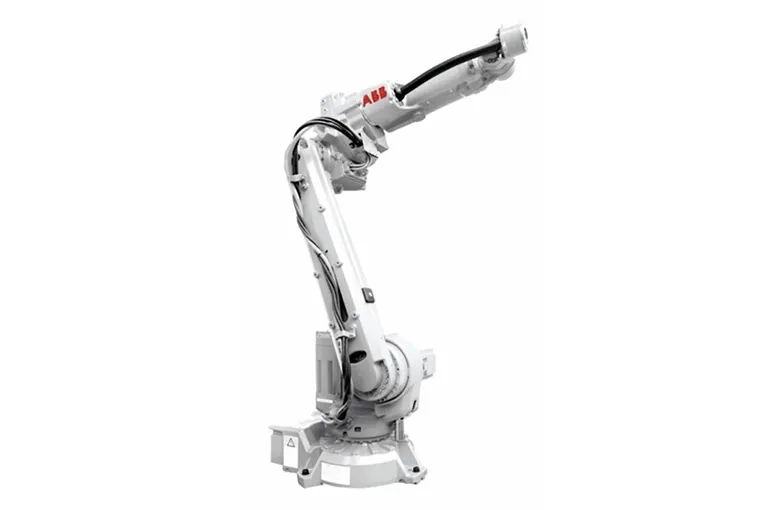
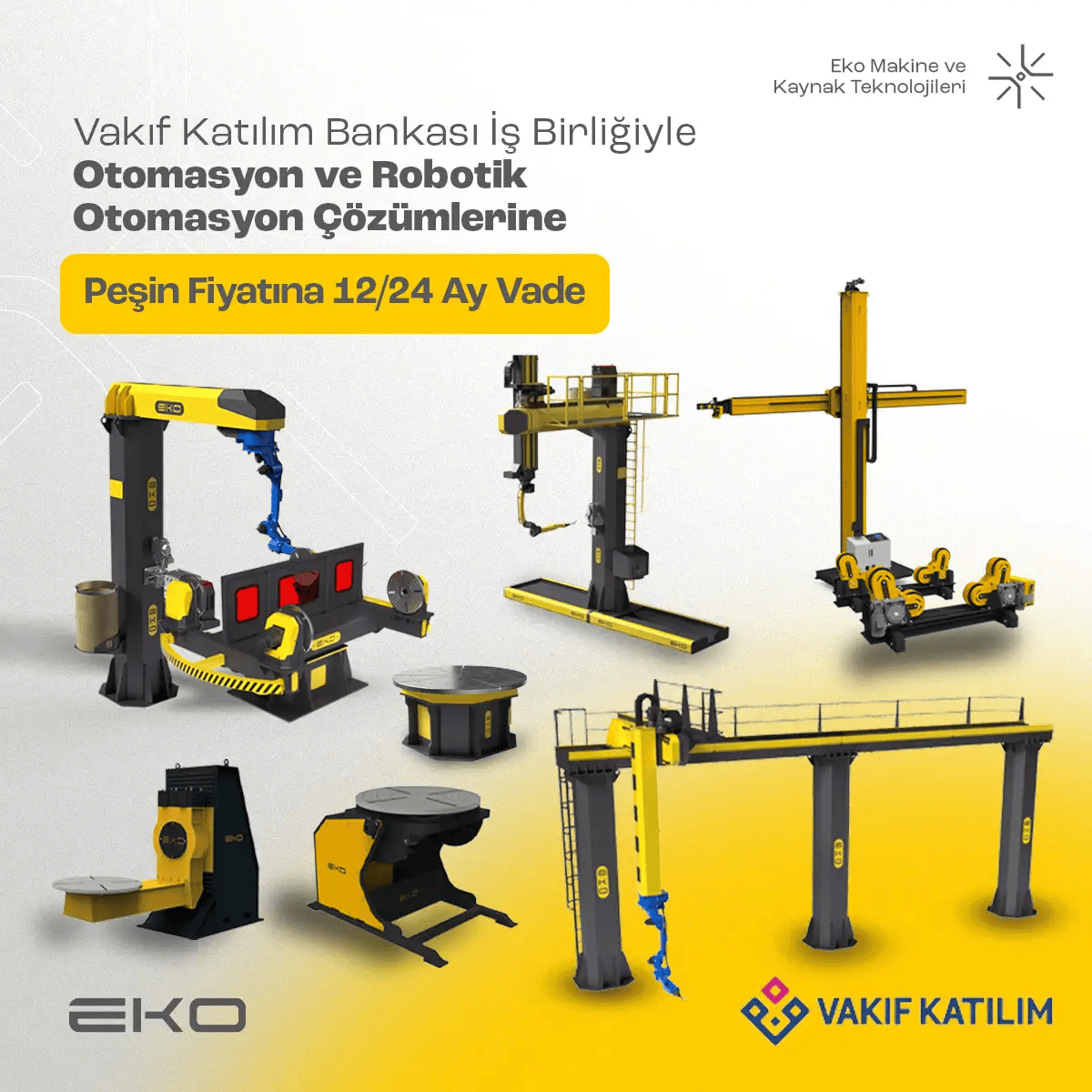
Robotic automation is an advanced technology system that minimizes human intervention in production processes while enabling businesses to operate faster, more efficiently, and with fewer errors. Especially in repetitive tasks, robotic systems provide high precision, standardize production quality, and significantly reduce error rates. Robotic automation solutions used in modern manufacturing facilities allow operations such as assembly, welding, packaging, transportation, and quality control to be completed in a shorter time. In addition, with digital control systems and AI-supported software, processes can be monitored and optimized more effectively.
Robotic automation is widely used across many industries, including automotive, defense, electronics, logistics, pharmaceuticals, and food production, by adapting to evolving industrial demands. These systems provide businesses with significant advantages such as time savings, lower production costs, and sustainable quality. At the same time, they improve workplace safety by reducing the need for human labor in hazardous environments. Robotic automation technologies also support flexible manufacturing structures, helping companies increase production capacity and strengthen their global competitiveness. Furthermore, they allow employees to focus on more strategic, creative, and management-oriented tasks, making overall business operations more productive and efficient.