Types of Welding Machines

Types of welding machines present a fundamental classification that defines the different technologies and application areas used in metal joining processes. The systems included in this scope vary depending on the nature of the work performed and the working environment.

Types of welding machines are evaluated not only according to technical features but also based on practical factors such as ease of use, portability, and energy consumption. These machines, which have a wide range of applications from home use to industrial production, facilitate the work process when selected correctly. They contribute to achieving balanced and consistent results. For this reason, becoming familiar with different types constitutes an important starting point in determining a solution suitable for specific needs.

What Are the Types of Welding Machines?

Different metal joining needs lead to the diversification of the systems used. In a wide range of application areas extending from workshop environments to industrial production, there are machines preferred according to the nature of each task. 

This diversity arises not only from differences in power or size but also from intended use and practical expectations. These systems, referred to as welding machines, do not offer a single type of solution but instead produce alternatives that can adapt to different working conditions.

Types of welding machines according to their areas of use and application methods are as follows:

  • Arc welding machines: These systems, which operate with the help of electrodes, offer practical and widely used solutions for joining metals of different thicknesses.
  • MIG welding machines: With the support of wire and shielding gas, they help achieve more controlled and smoother joints.
  • Argon (TIG) welding machines: By providing high control on thin and sensitive parts, they create more aesthetic surface finishes.
  • Laser welding machines: With their contactless operating principle, they provide clean and deformation-free joints in applications requiring high precision.
  • Inverter welding machines: Thanks to their compact structures and energy efficiency, they offer advantages in portability and practical use.

Each system offers a different approach during the welding process and is shaped according to the level of experience expected from the user. At this point, which machine will be selected varies depending on the type of work to be performed and the working environment.

In some applications, speed is at the forefront, while in others, surface quality or energy saving may be more decisive. These differences make it necessary to evaluate options such as MIG welding, TIG welding, or laser welding as the preferred welding method. A correctly selected system facilitates the application process and contributes to achieving more consistent results.

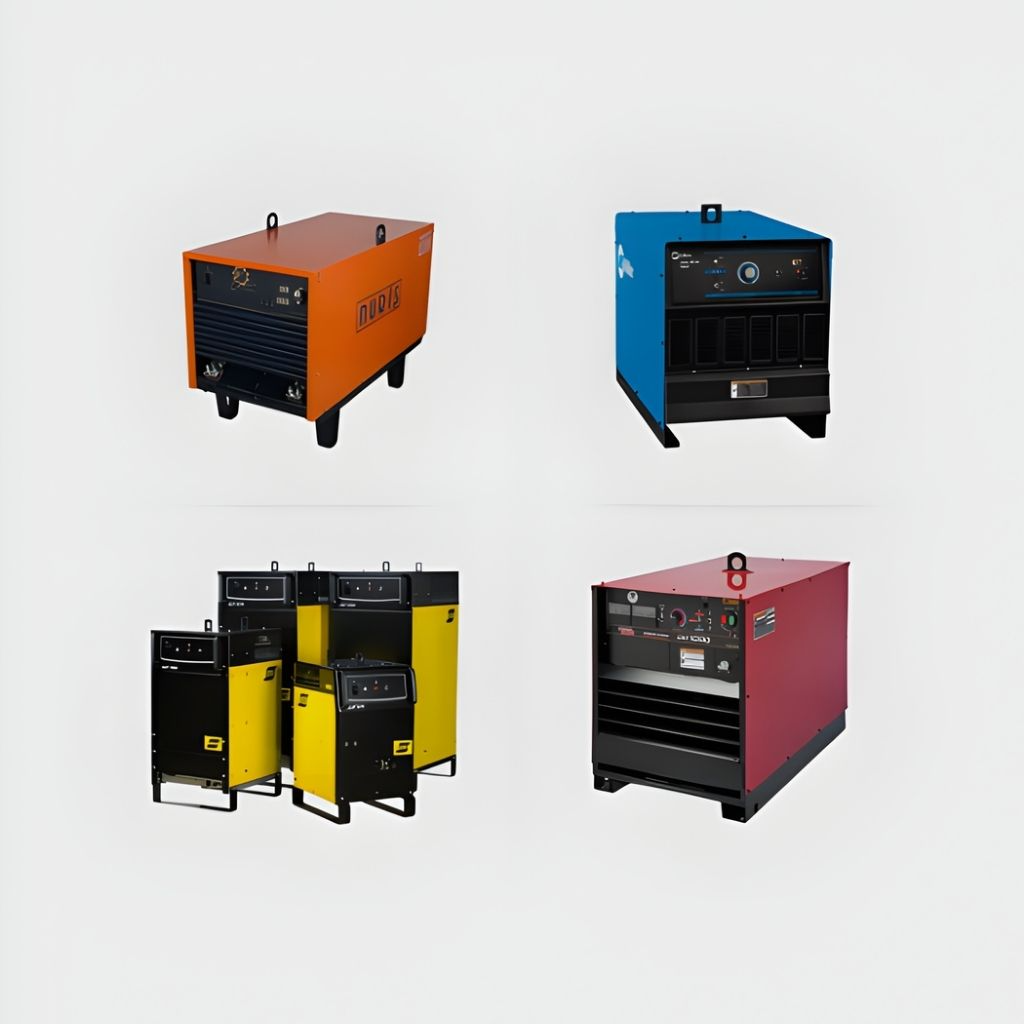
Types of Arc Welding Machines

One of the most commonly used methods in metal joining applications is the systems that benefit from high heat generated by electric current. These machines offer practical and accessible solutions for joining parts of different thicknesses. Although the working principle is simple, the results obtained can be quite balanced with correct settings.

Machines in this group are divided into different types within themselves. Classical models that operate with electrodes are frequently preferred in field applications and small workshops. More advanced versions stabilize the current and reduce fluctuations that may occur during the process. Thus, the surface appearance gains a more regular structure.

While some systems provide portability advantages, others adapt to more intensive production environments with fixed installations. This structure, which varies according to the purpose of use, offers the user flexibility in selection.

During application, the use of arc welding allows the joining of different metal types while also providing advantages in terms of cost and accessibility.

Kaynak Makinesi Çeşitleri

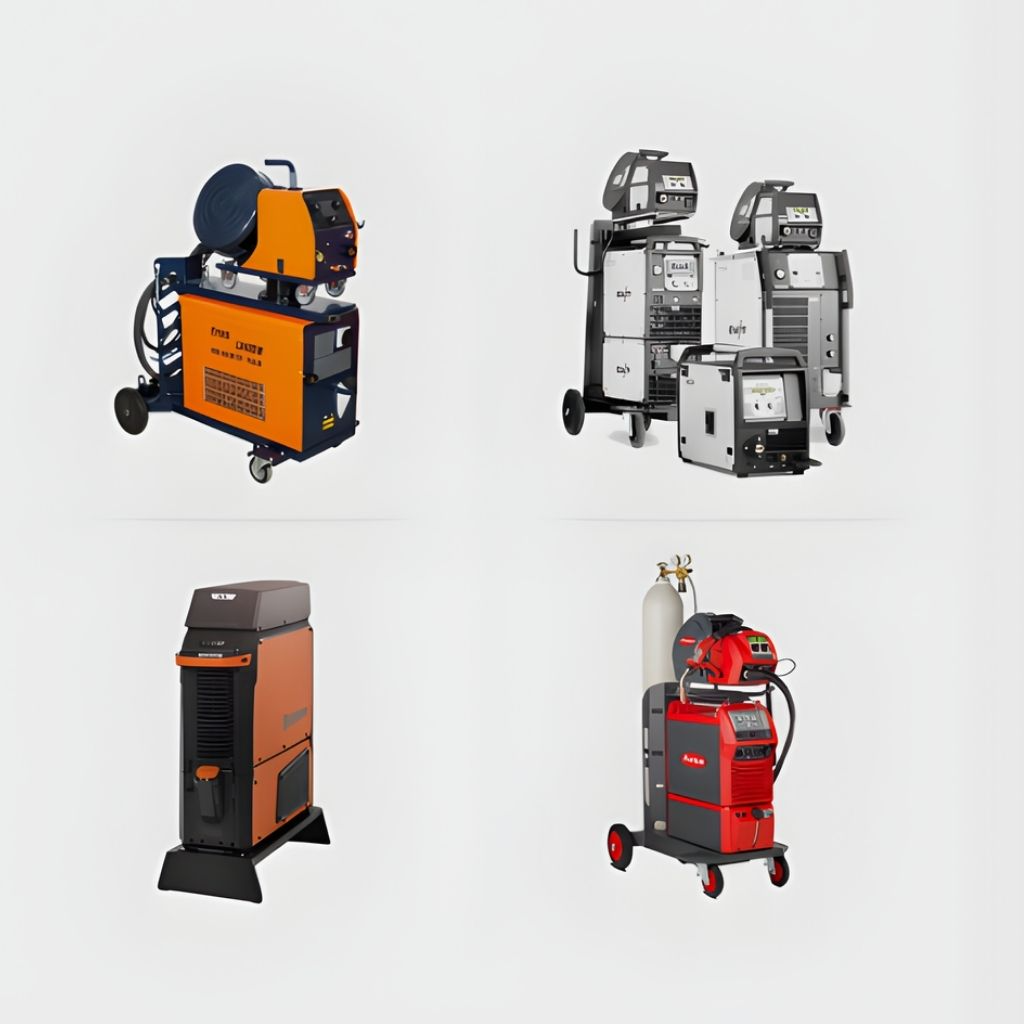
Types of MIG Welding Machines

Systems that operate with the help of wire and shielding gas ensure that metal surfaces are joined in a more controlled and orderly manner. This structure offers significant advantages in terms of speed and surface quality in areas where mass production is carried out. Protecting the weld pool from external factors during operation contributes to achieving cleaner and more consistent results.

Machines in this group vary according to the type of gas used and the wire feeding system. There are models that provide softer transitions in thin sheet applications, as well as options that create stronger joints in thick and structural parts. In this way, flexible solutions can be produced according to production needs.

When choosing a welding machine, whether the working environment is closed or open, the expected production speed, and the type of material are among the determining factors. At this point, selecting the right system helps achieve a more balanced result by facilitating the workflow.

For more detailed information about MIG welding technology, you can review the relevant content.

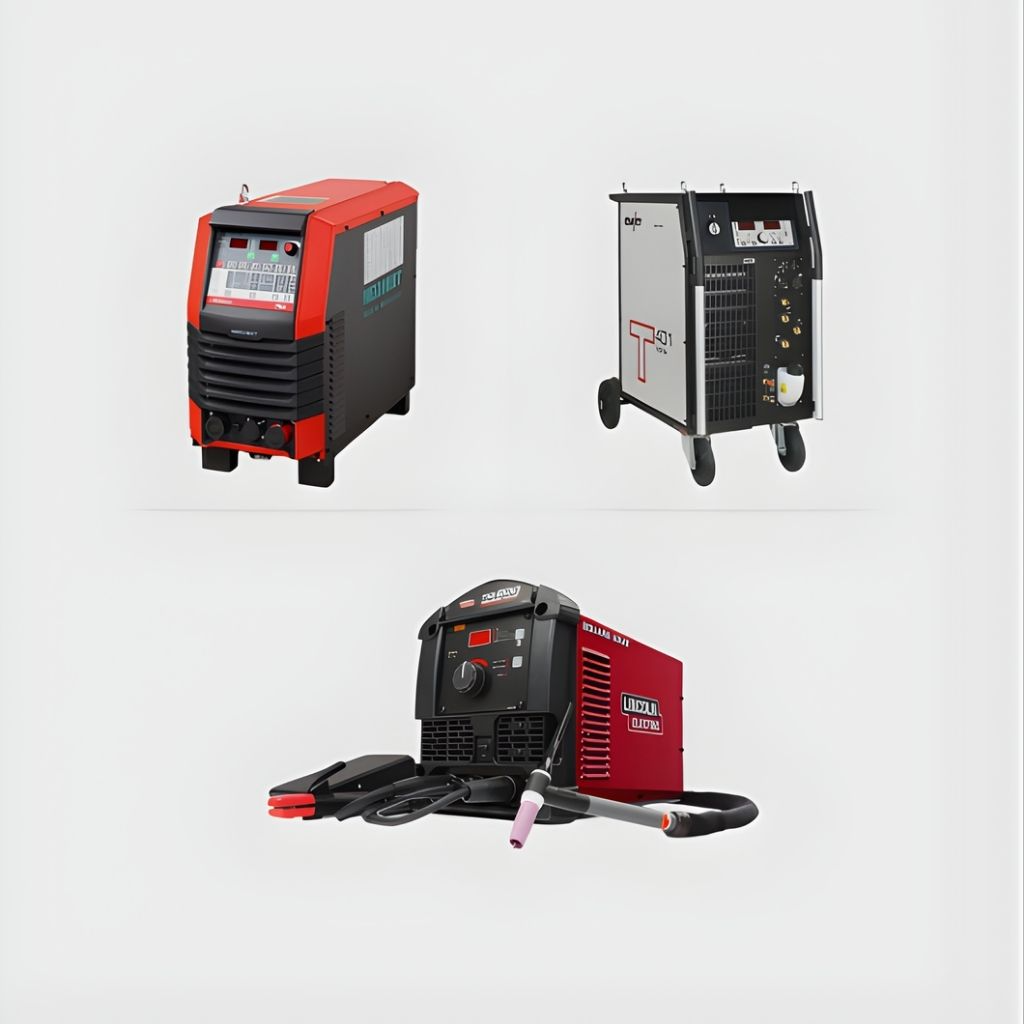
Types of Argon Welding Machines

Systems preferred in applications requiring sensitive and controlled joining stand out when working with thin materials. These machines help achieve cleaner and more orderly surfaces thanks to gas support that protects the molten metal from external factors. This feature offers a decisive advantage in areas where surface appearance is important.

In studies carried out on stainless steel, aluminum, and similar sensitive metals, they ensure that the process proceeds in a more stable manner. The user can directly control the result by managing current and gas settings precisely.

An argon welding machine not only provides a strong joint but also contributes to obtaining smoother surfaces in aesthetic terms. In this respect, it is widely preferred in production and repair applications.

For detailed information about TIG welding technology and its areas of use, you can review the relevant content.

Kaynak Makinesi Çeşitleri

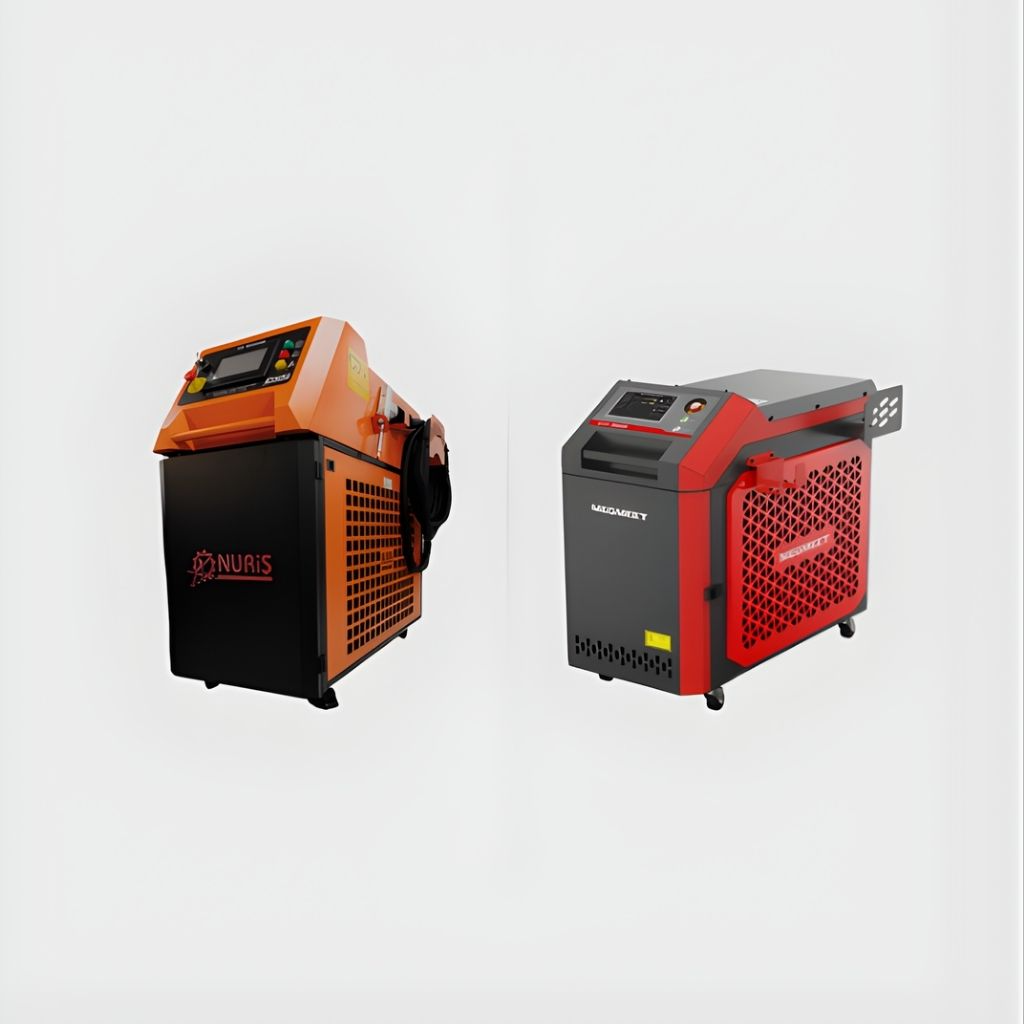
Types of Laser Welding Machines

In metal joining applications that require high precision, systems that operate with beam technology attract attention. These machines create minimal deformation on the surface thanks to contactless processes and help achieve cleaner joints. The control advantage it provides in areas where thin and complex parts are handled highlights this technology.

Solutions in this group add practicality to production processes with fast processing times and low heat effects. The concentration of heat in a narrow area largely prevents damage to surrounding materials. This means less need for correction and smoother surfaces.

With developing technology, these systems, which have a special place among welding machines, can be easily integrated into mass production lines thanks to their automation-compatible structures.

For detailed information about laser welding machine technology, you can review the relevant content.

Types of Inverter Welding Machines

Modern solutions that have a more compact structure compared to traditional systems offer significant advantages in terms of portability and energy efficiency. These machines regulate the current more evenly, provide more stable operation, and optimize electricity consumption.

Devices in this group stand out with their light bodies and practical installation features. They provide serious flexibility to the user in field applications or in situations where it is necessary to work in limited spaces. Their ability to work compatibly with different electrode types makes them versatile.

Thanks to advanced electronic control systems, fluctuations that may occur during the process are minimized. This contributes to achieving more balanced and repeatable results. These solutions, preferred by amateur and professional users today, combine practical use with performance.

For detailed information about inverter welding technology, you can visit the link.

For detailed information about welding machine types suitable for different needs, you can contact Eko Kaynak.